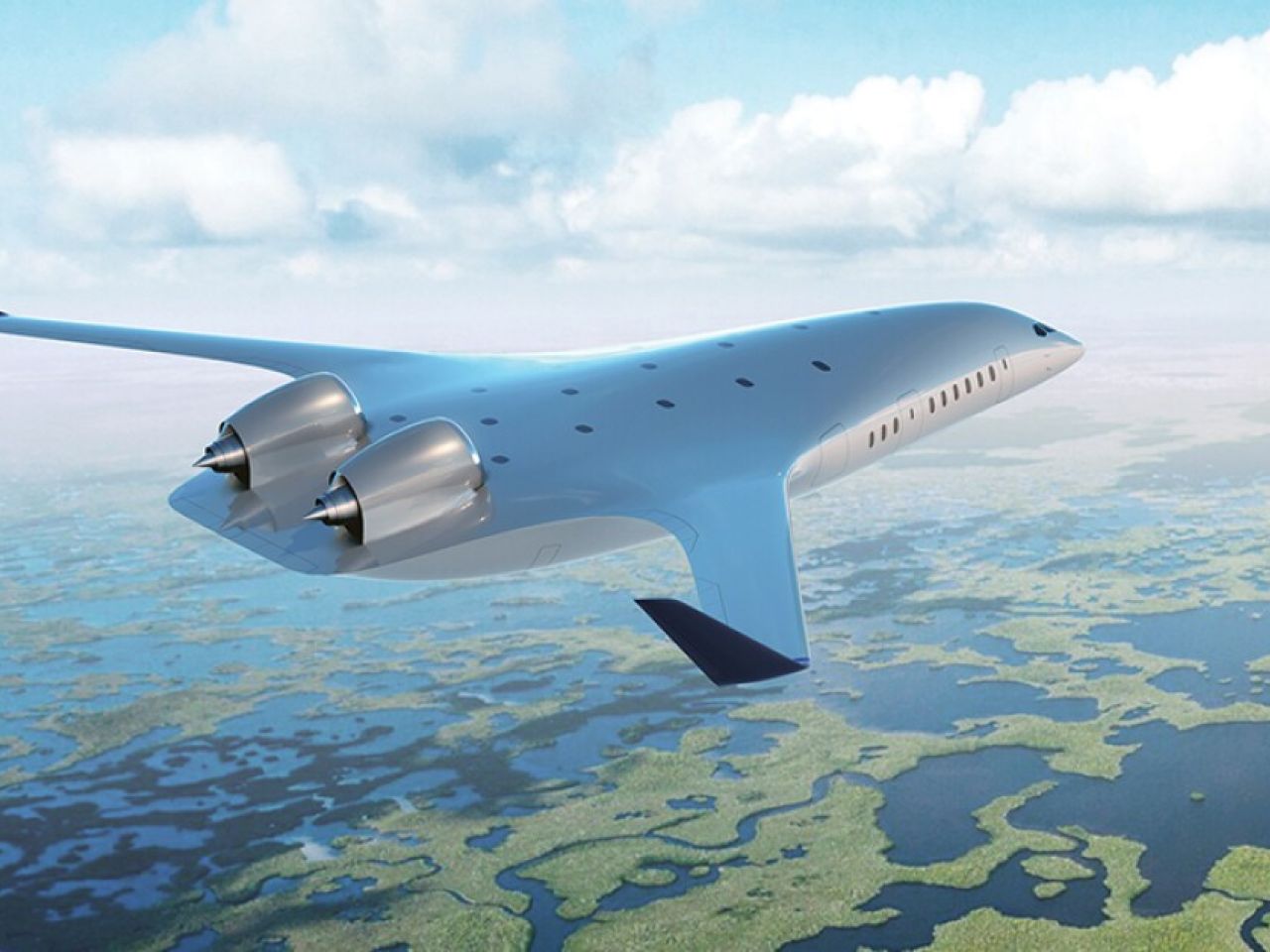
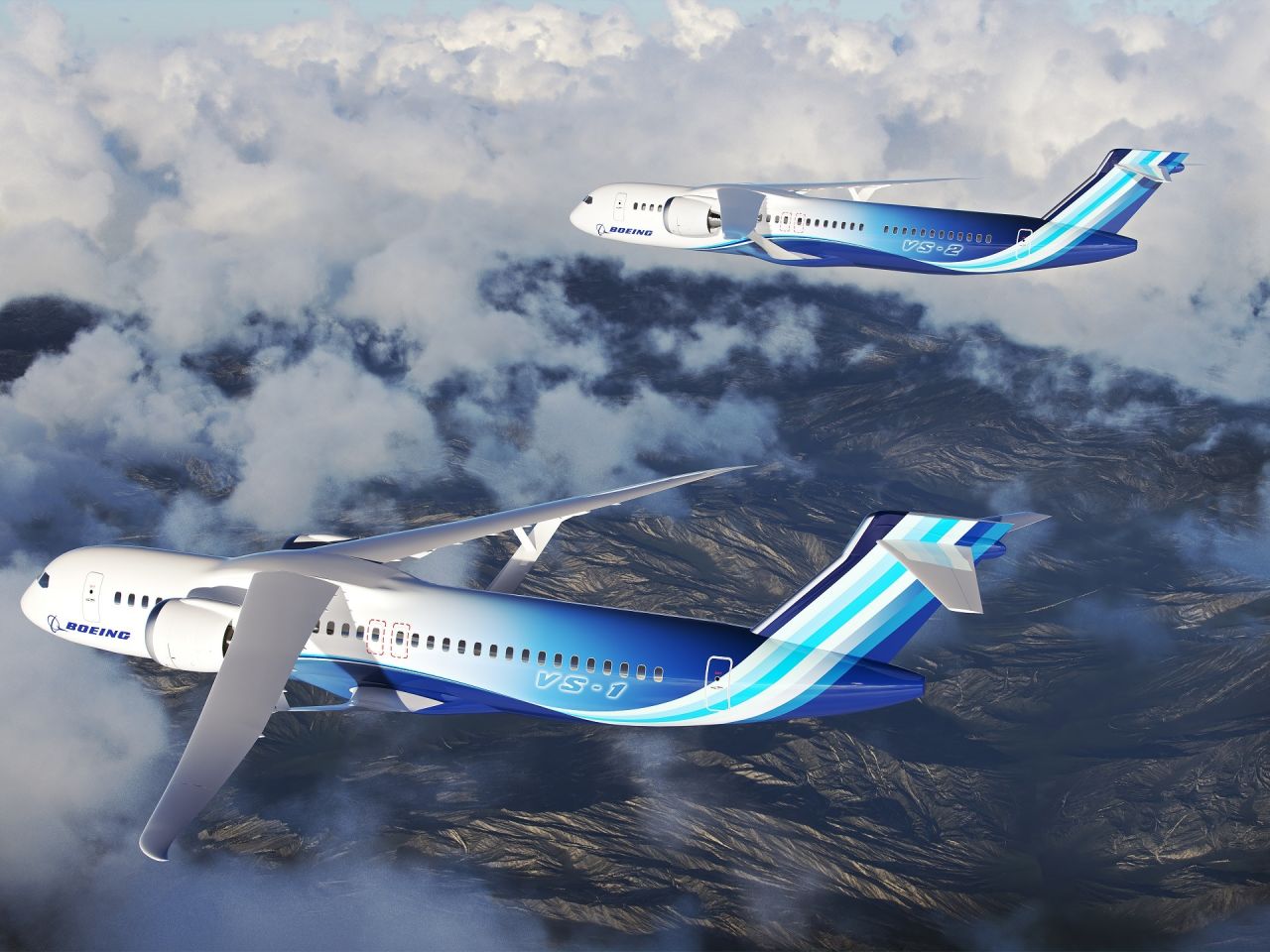
Ever since Boeing introduced the 707 in 1958, the conventional design for commercial airliners has been a tube-and-wing design. Now, more than 60 years later, it is time to take the next step and certify other designs for commercial use. Two of these designs include the transonic truss-braced wing (TTBW) concept and the blended wing body (BWB) concept.
Transonic Truss-Braced Wing Concept
The TTBW, although it still follows the initial tube-and-wing layout, incorporates a pair of struts that brace the wings, increase aerodynamic flow, and, ultimately, reduce fuel consumption.
The BWB is a much more radical concept with no clear dividing line between the wings and the main body of the plane. Its main advantage is that, because there is no distinct junction between the wing and body of the aircraft, the wetted area and the accompanying form drag is greatly reduced. The shape of the plane itself creates lift.
Once you combine the benefits of either of these concepts with the upcoming improvements in turbofan design, whether that be the RISE concept, WET concept, or a different emerging technology, or even just the latest breakthroughs with GTF technology, the calculated fuel burn is cut drastically in comparison with contemporary airliners.
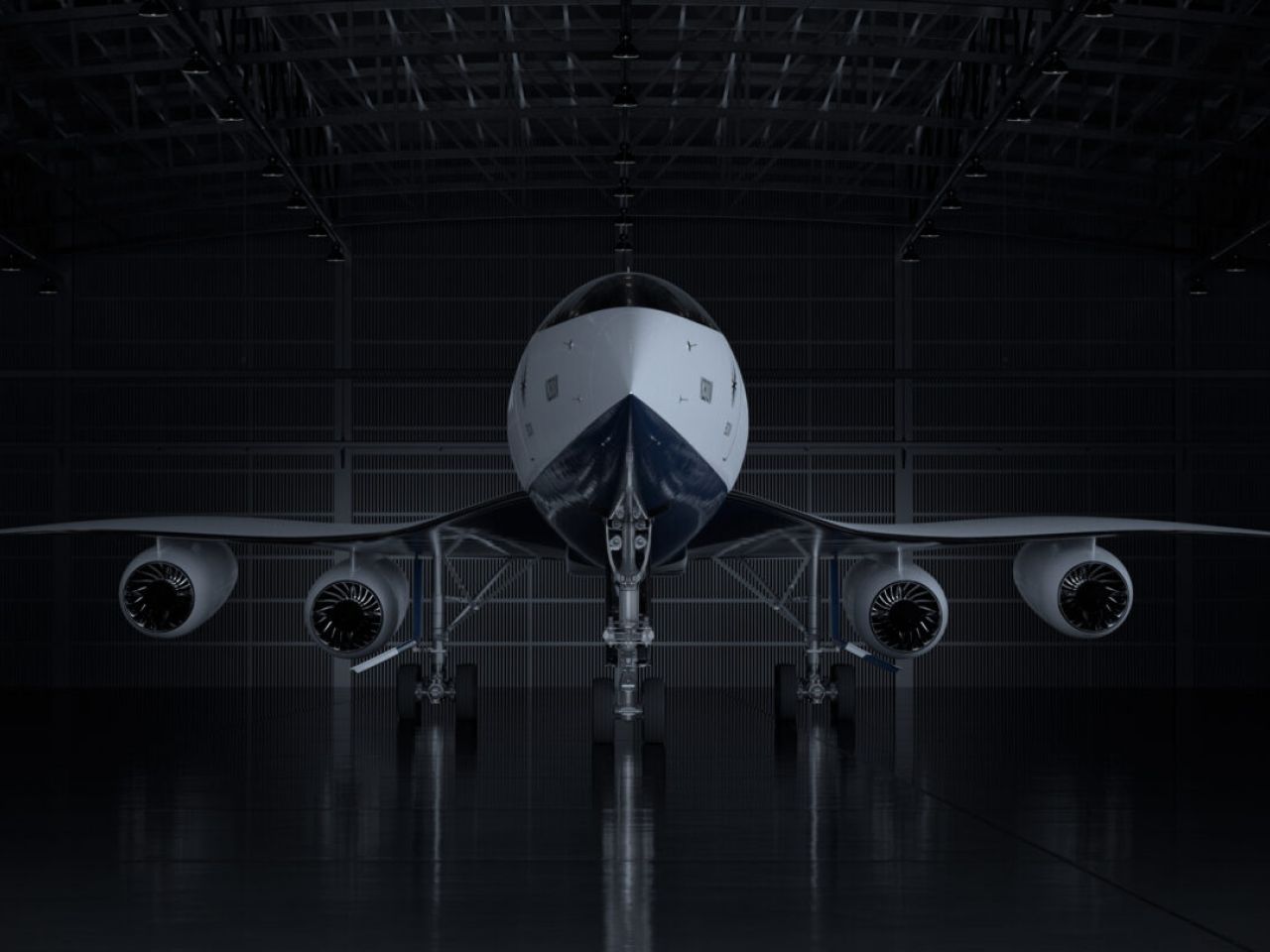
There are several companies pursuing the research and certification of supersonic airliners. Although fuel efficiency is an important goal, the biggest hurdle to overcome is that of reducing the sonic boom. Once the technology is in place so that these aircraft can fly under the regulatory standards, commercial supersonic flight could very well become a new, everyday form of transportation.
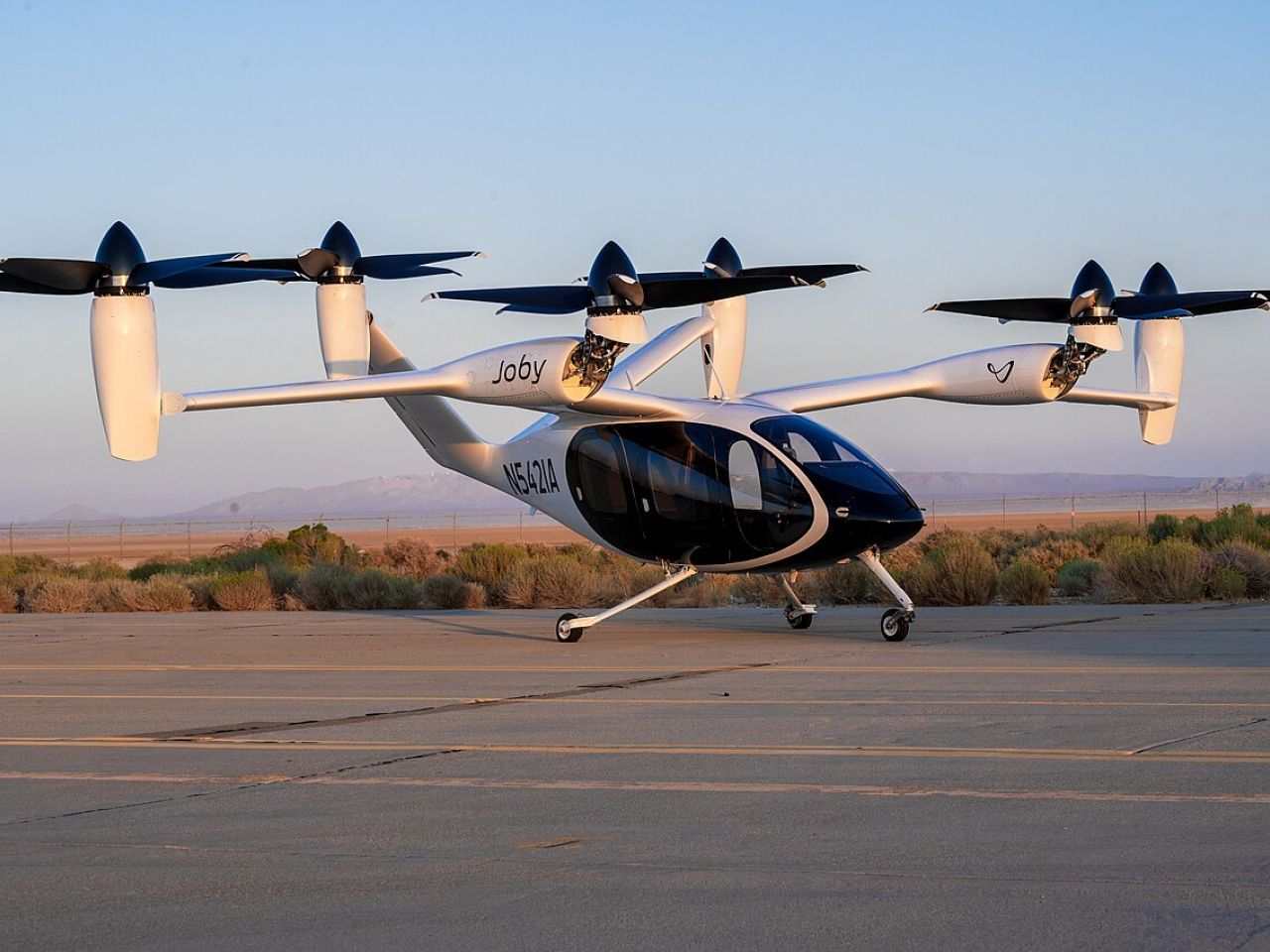
As probably one of the most discussed and debated topics related to upcoming breakthroughs in the commercial aerospace sector, advanced air mobility (AAM) could revolutionize our normal lives. Most companies are looking at either an electrical or hybrid-electric architecture.
Electric air taxis, specifically EVTOLs (electric vertical takeoff and landing), would not only provide better, faster connectivity, especially in congested urban areas, but also have the potential to reduce CO2 emissions.
There are so many areas of application for AAM. We have yet to fully realize the full potential of it.