After more than twenty years since the last flight of a supersonic commercial airliner and seventy years since the last development of a supersonic commercial airliner, a handful of companies are working to overcome the technological, bureaucratic, and economic obstacles to build and manufacture quiet, sustainable supersonic airliners. These companies include Boom Supersonic and Exosonic.
The major barriers to overcome with developing a supersonic commercial aircraft are:
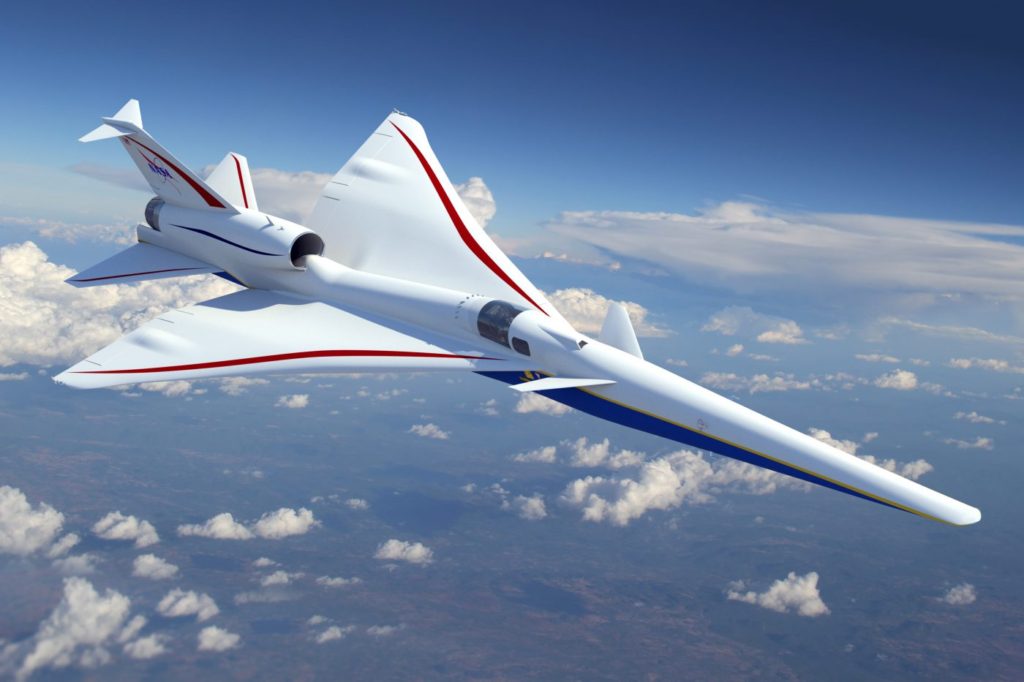
- First, because of the sonic boom created by flying faster than the speed of sound, it is currently illegal to fly supersonically over land. One of the goals of companies like Boom and Exosonic is to lower the sound of the boom created by their aircraft. They are building on work that NASA and Lockheed Martin are currently doing with the X-59 Quesst.
- Second, there are many technological barriers to deal with. Fortunately, many advances have made in the areas of manufacturing and testing since the original supersonic airliner, the Concorde, was developed.
- Lastly, these aircraft will have to be proven to be safe. Although the Concorde was one of the safest aircraft of its time, because of its complexity there were several accidents including one that was fatal.
The benefits are:
- Obviously, they are much faster than conventional airliners. Exosonic’s supersonic jet, for example, will cut the flight time for a flight from LAX (Los Angeles) to JFK (New York City) in half from six hours to three hours.
- Because of increases in the efficiency of today’s engines and the focus on maximizing the economic efficiency of the airframe.
- Overall, having the option to fly supersonically will increase human connectivity worldwide.
Boom Supersonic
Boom Supersonic was founded in 2014 with the goal of “unlock[ing] new possibilities for business relationships, prospects for vacation, and opportunities for human connection.”
Overture
Aiming for certification in 2029, Boom Supersonic is developing a Mach 1.7, 64-80 passenger aircraft named the Overture.
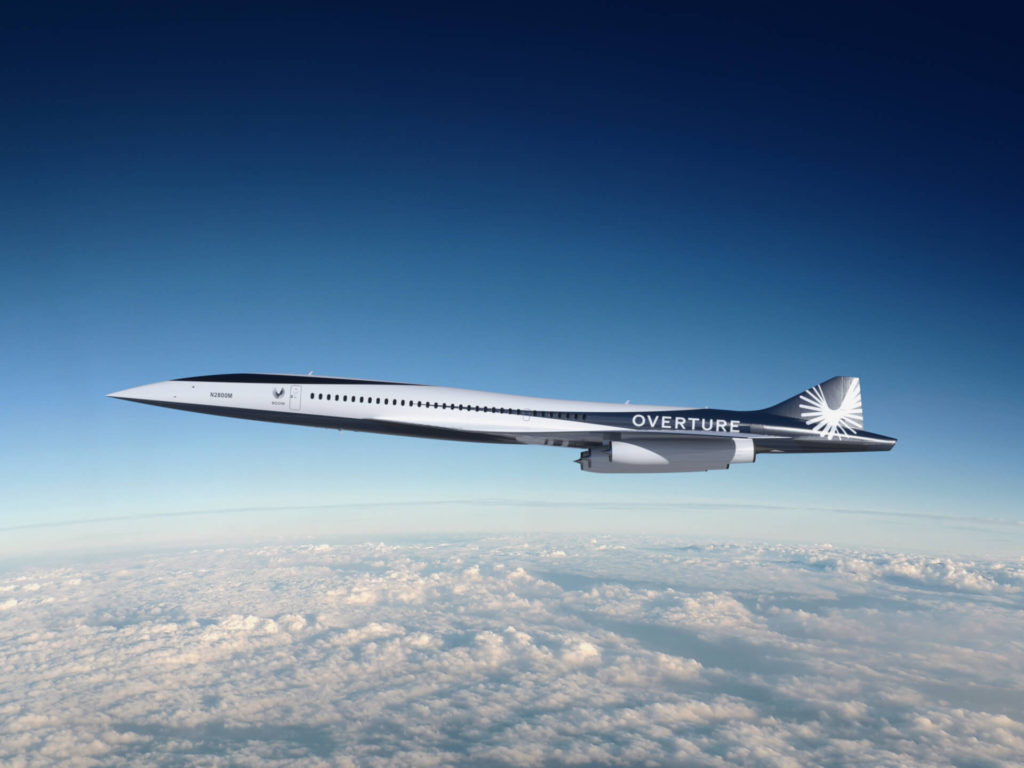
Boom is currently working on a “state-of-the-art manufacturing facility located on a 62-acre campus” in Greensboro, North Carolina.
Symphony
Boom is working on their engine that they have named the Symphony.
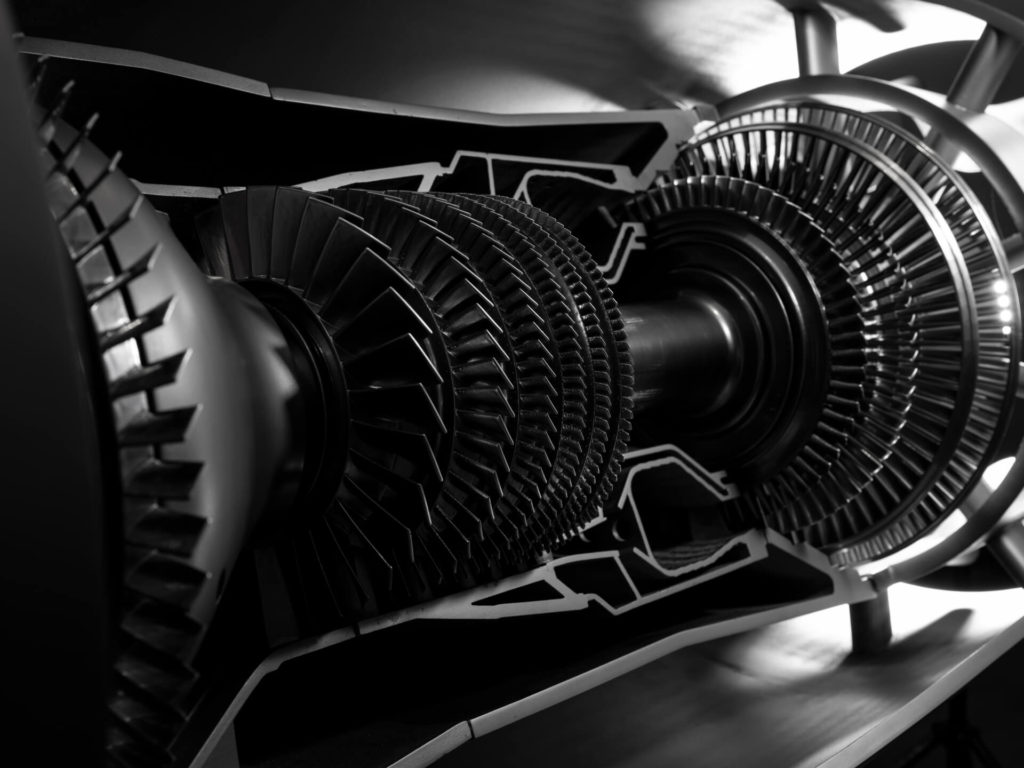
After working closely with and having deep conversations with several major commercial aircraft engine manufacturers for several years, Boom decided to develop their own engine for the Overture. They are partnering with Florida Turbine Technologies, GE Additive, and Standard Aero on the development of the Symphony.
Exosonic
Founded in 2019, Exosonic is another company that is working on the development of a supersonic commercial airliner.
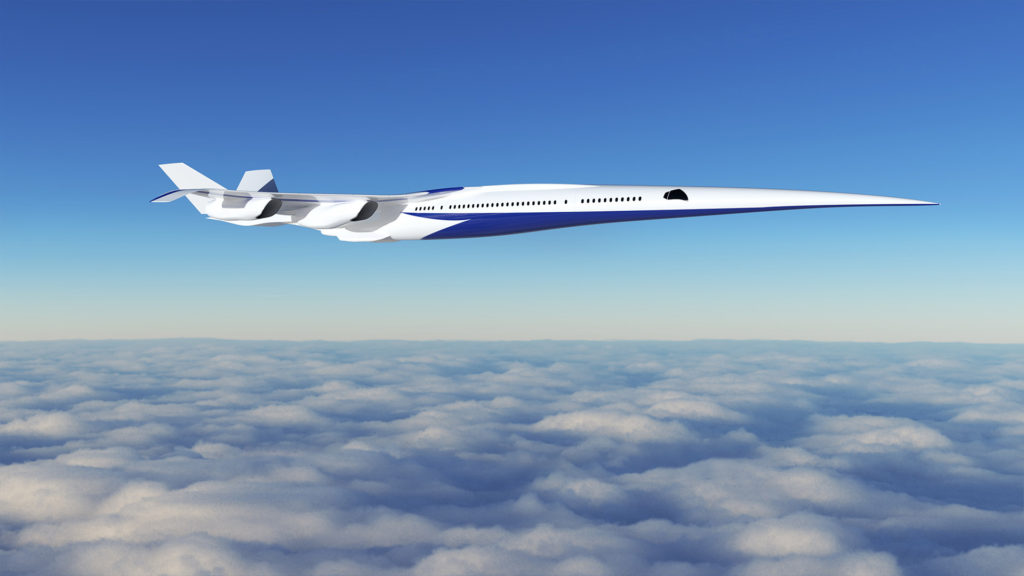
Targeting service entry in 2029, Exosonic is working on a Mach 1.8 airliner with 70 seats. Exosonic’s goal is to create an aircraft with low enough noise levels that it can fly anywhere, especially over land.

My name is Lucas. I live in Greenville, South Carolina. Currently, I am a freshman at a private university in Wisconsin, studying mathematics. I would like to be an aerospace engineer working for an American company like NASA, Boeing, Lockheed Martin, SpaceX, Boom Supersonic, Hermeus, etc.