In the dynamic world of aerospace engineering, innovation is the lifeblood that propels us into the future. Boeing and NASA have joined forces to develop an ingenious concept that is set to redefine the aviation industry – the transonic truss-braced wing concept. This cutting-edge design promises to revolutionize aircraft performance, fuel efficiency, and environmental impact. Here, we will delve into the details of this groundbreaking project and explore its potential impact on the aviation industry.
The Transonic Truss-Braced Wing Concept
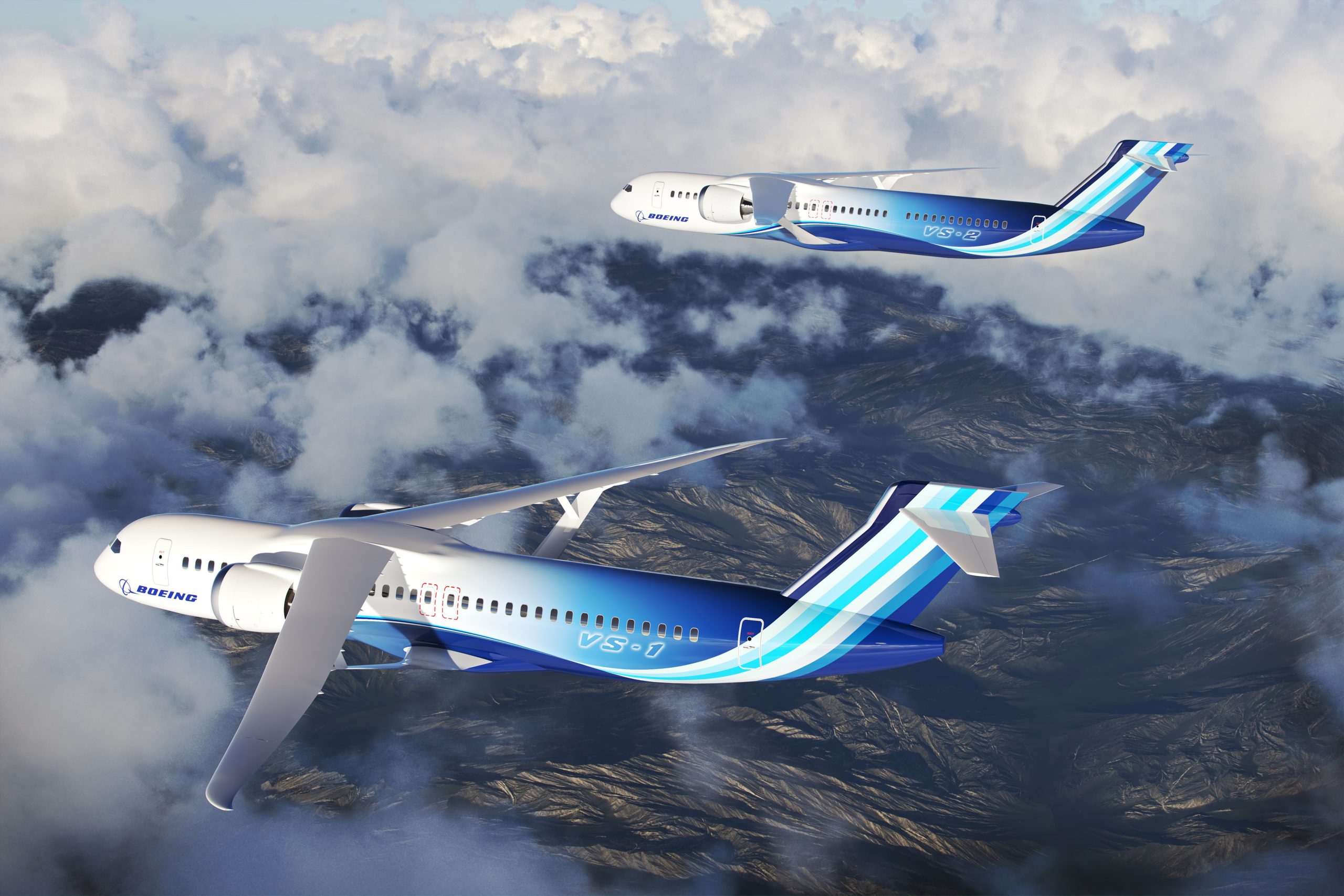
The transonic truss-braced wing concept is an innovative design approach aimed at improving the performance of commercial aircraft. It is a collaboration between Boeing and NASA. This concept leverages state-of-the-art technology to create a new generation of aircraft wings that enhance aerodynamic efficiency, reduce emissions, and provide more sustainable air travel.
Key Features and Advantages
- Truss-Bracing: At the heart of this concept is the truss-braced wing design. It incorporates a structural truss running along the length of the wing, adding rigidity and strength while reducing the weight of the wing itself. This design innovation improves the wing’s aspect ratio, which is the ratio of its wingspan to its mean chord. A higher aspect ratio allows for increased lift and, subsequently, greater fuel efficiency.
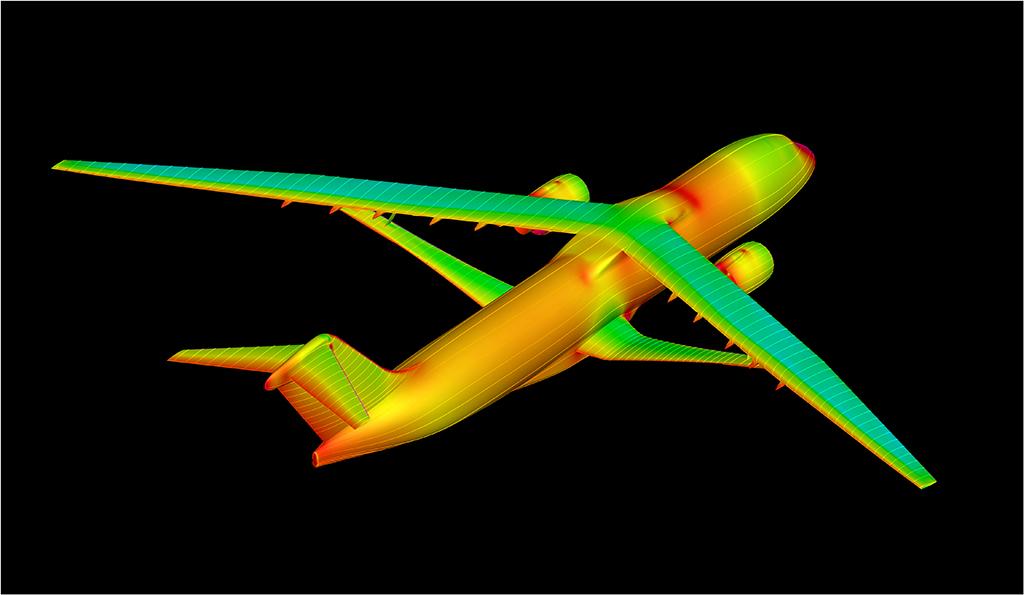
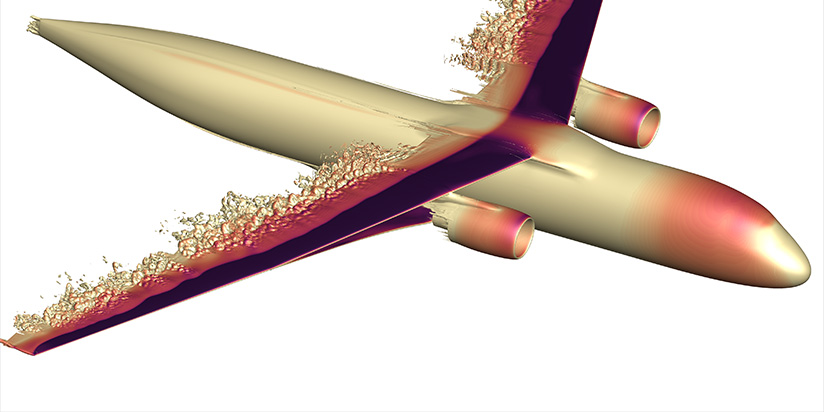
- Reduced Aerodynamic Drag: The transonic truss-braced wing design is optimized for transonic flight, which encompasses speeds close to the speed of sound. This design reduces shockwave drag and minimizes the negative impact of transonic flight on an aircraft’s performance.
- Eco-Friendly: One of the most significant advantages of this concept is its potential to reduce fuel consumption and greenhouse gas emissions significantly. This innovation aligns with the aviation industry’s ongoing efforts to become more environmentally sustainable. By lowering fuel consumption, this concept can contribute to reduced carbon emissions, making air travel more eco-friendly.
- Enhanced Performance: These wings have the potential to enhance aircraft performance, such as improved range and fuel efficiency. This can lead to more cost-effective and reliable air travel for both airlines and passengers.

Potential Impact on the Aviation Industry
The transonic truss-braced wing concept has the potential to revolutionize the aviation industry in various ways:
- Reduced Operating Costs: With improved fuel efficiency and reduced maintenance requirements, airlines can expect to lower their operating costs. This, in turn, could lead to more affordable air travel for passengers.
- Environmental Sustainability: As the aviation industry faces increasing pressure to reduce its environmental footprint, this concept offers a viable solution to lower emissions and contribute to a more sustainable future.
- Extended Range: The improved performance of aircraft equipped with truss-braced wings could lead to extended flight ranges. This may open up new routes and travel possibilities for passengers, further expanding the reach of commercial aviation.
- Competitive Advantage: Companies that adopt this innovative wing design could gain a competitive edge in the market. Passengers are increasingly conscious of their environmental impact, and airlines that offer more eco-friendly travel options may attract a larger customer base.
Challenges and Future Developments
While the transonic truss-braced wing concept holds immense promise, it is not without its challenges. The implementation of such a novel design will require rigorous testing and validation to ensure safety and reliability. Additionally, transitioning from existing wing designs to this new concept may involve significant manufacturing and infrastructure changes.
Boeing and NASA are committed to addressing these challenges and bringing this concept closer to reality. They are conducting extensive research and development, testing different designs, and analyzing the potential benefits to ensure a smooth transition into the aviation industry.
Conclusion
The transonic truss-braced wing concept, a collaborative effort between Boeing and NASA, represents a significant leap forward in aerospace engineering. This innovative design offers the potential to transform the aviation industry, delivering greater fuel efficiency, reduced emissions, and improved performance. While there are challenges to overcome, the commitment of these two giants in the aerospace field promises a bright and sustainable future for air travel. As this concept continues to evolve, we can look forward to a more eco-friendly and efficient aviation industry that benefits both airlines and passengers alike.

My name is Lucas. I live in Greenville, South Carolina. Currently, I am a freshman at a private university in Wisconsin, studying mathematics. I would like to be an aerospace engineer working for an American company like NASA, Boeing, Lockheed Martin, SpaceX, Boom Supersonic, Hermeus, etc.